For When You're Under the Weather
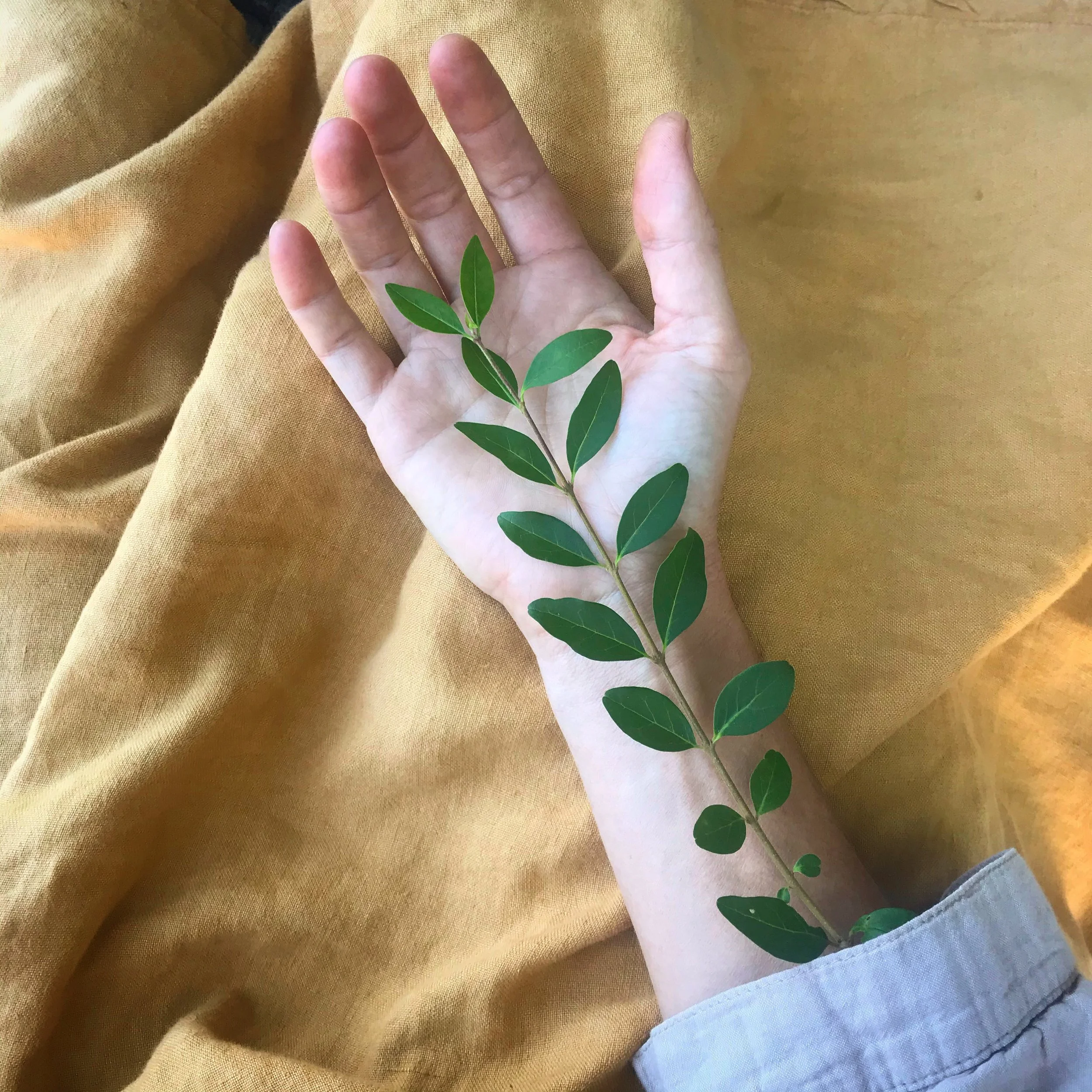
Even the least “earthy” among us has, at some point, desperately googled remedy for cold with quiet urgency, searching for relief from sore throats, congestion, body aches, and the lingering sense that this might just last forever… only to discover, on the other end of that search, plants waiting to help. In this way, the common cold is often a “gateway drug” to herbalism.
Cold and flu care is where herbalism quietly lives in the mainstream. Elderberry is written on boxes at CVS, ginger tea sits contentedly beside black and green, and echinacea appears on labels in even the most conventional grocery stores. The plants have never left us. They’ve been here all along, waiting patiently for us to remember.
Often when illness comes on, it can feel like the body has become a strange and threatening place. Throat burns, head fills, lungs tighten. But symptoms are not the enemy, they are evidence of the body working tirelessly on our behalf. Fever warms the internal landscape to make it less hospitable to pathogens. Mucus traps and escorts invaders out. Fatigue asks us to stop, to redirect our energy toward internal healing. Many herbs do not suppress these processes, but support and guide them, helping the body do what it already knows how to do, ultimately helping us heal faster and with less suffering.
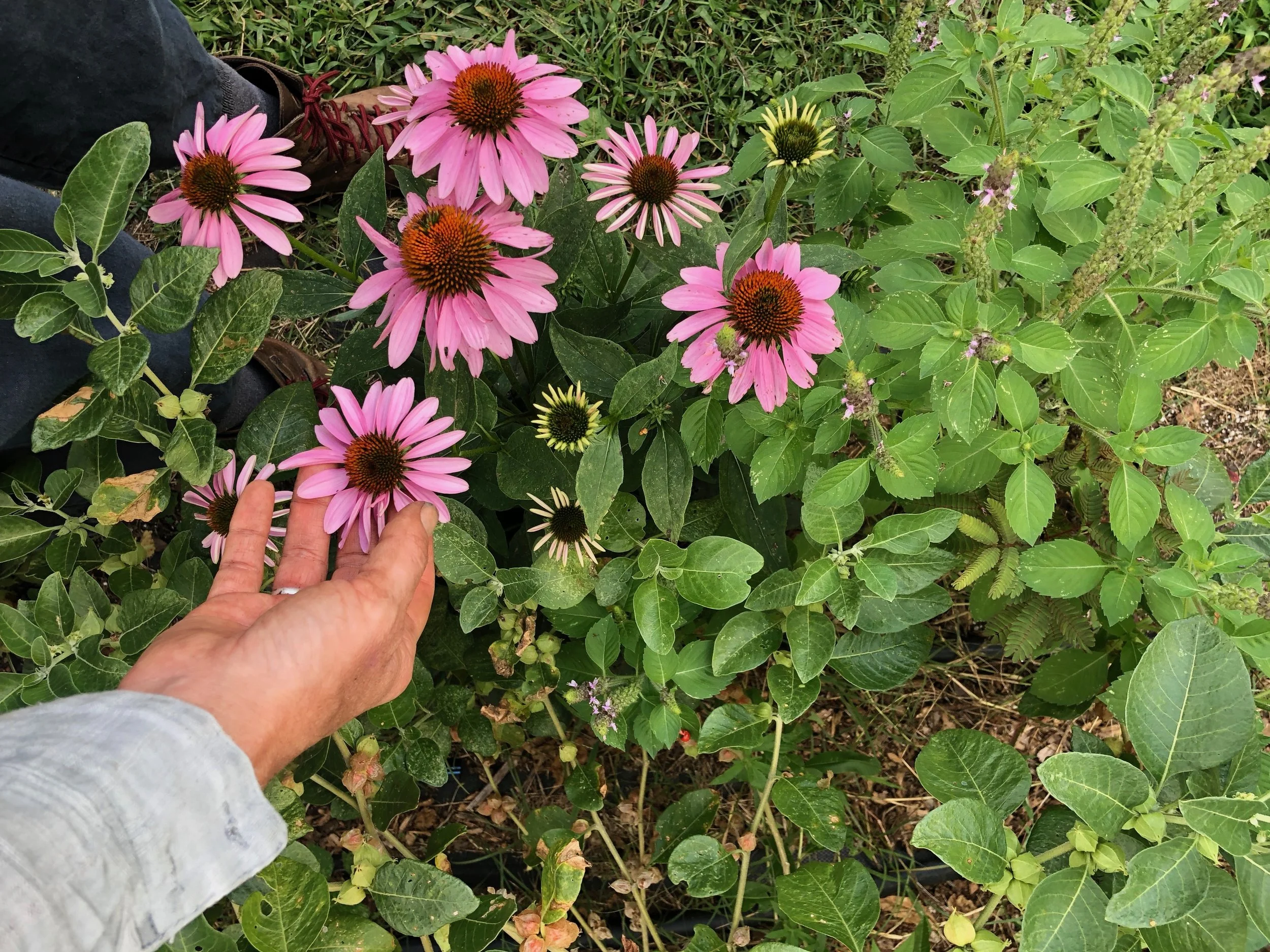
Echinacea is perhaps the poster child for immune-supportive herbs. She is everywhere, and with good reason. Echinacea helps activate immune response and is best called upon at the first sign of imbalance. When invited in early, she strengthens the body’s defenses and helps carry us through more swiftly. It is wise, however, not to overuse echinacea preventatively. When taken continuously for more than about ten days, immune effects begin to diminish. This is an ally to keep close, and to call upon with intention ~ not every day, but in those stretches of illness when you truly need her. To reap the benefits of Echinacea’s power, 1 tbsp of dried herb per cup of water is necessary to make a medicinal brew, taken several times a day. Alternatively you can opt for a whole plant tincture. For potent echinacea power, seek out our Echinacea tincture ~ a whole plant extraction, using the fresh leaves, flowers, and roots to bring forth the full spectrum of its healing properties.
Another beloved ally is elderberry, the deep purple fruit of the elder tree. Elderberry has a particular affinity for viral illness, helping to inhibit viral replication while also encouraging gentle perspiration, one of the body’s oldest methods of releasing illness. Rich and nourishing, elderberry supports us through sickness while helping restore vitality.
Some herbs offer relief not by stimulating immunity directly, but by soothing the tissues most affected. Licorice root and slippery elm are rich in demulcent compounds that coat and protect irritated mucous membranes, easing sore throats and calming dry coughs. Licorice also offers protection from viruses, intervening and preventing replication.
Ginger, warming and familiar, works in yet another way. Its heat circulates outward, helping to break up congestion, ease chills, and encourage movement when the body feels stuck. There is a reason so many cultures instinctively reach for ginger at the first sign of illness. It rekindles warmth when we need it most. Did you know ginger is in over 50% of traditional chinese herbal formulas? That alone should attest to its incredible power!
Reishi mushroom, known traditionally as the “mushroom of immortality,” offers deeper, longer-term support. Rather than acting immediately, reishi helps regulate and strengthen immune function over time. It can up-regulate a lazy immune system, or down-regulate an overactive one. Reishi nourishes the body during recovery and helps build resilience for seasons to come.
By no means an exhaustive list, there are countless other plants that can support the body through colds, flu, and other respiratory challenges. Peppermint, yarrow, garlic, mullein, eucalyptus, thyme, horseradish, cayenne, hyssop, and many more, all offer unique ways to soothe, strengthen, and protect. Consider this just a starting point, a doorway into the vast horizon of plants ready to support you whenever you need them.
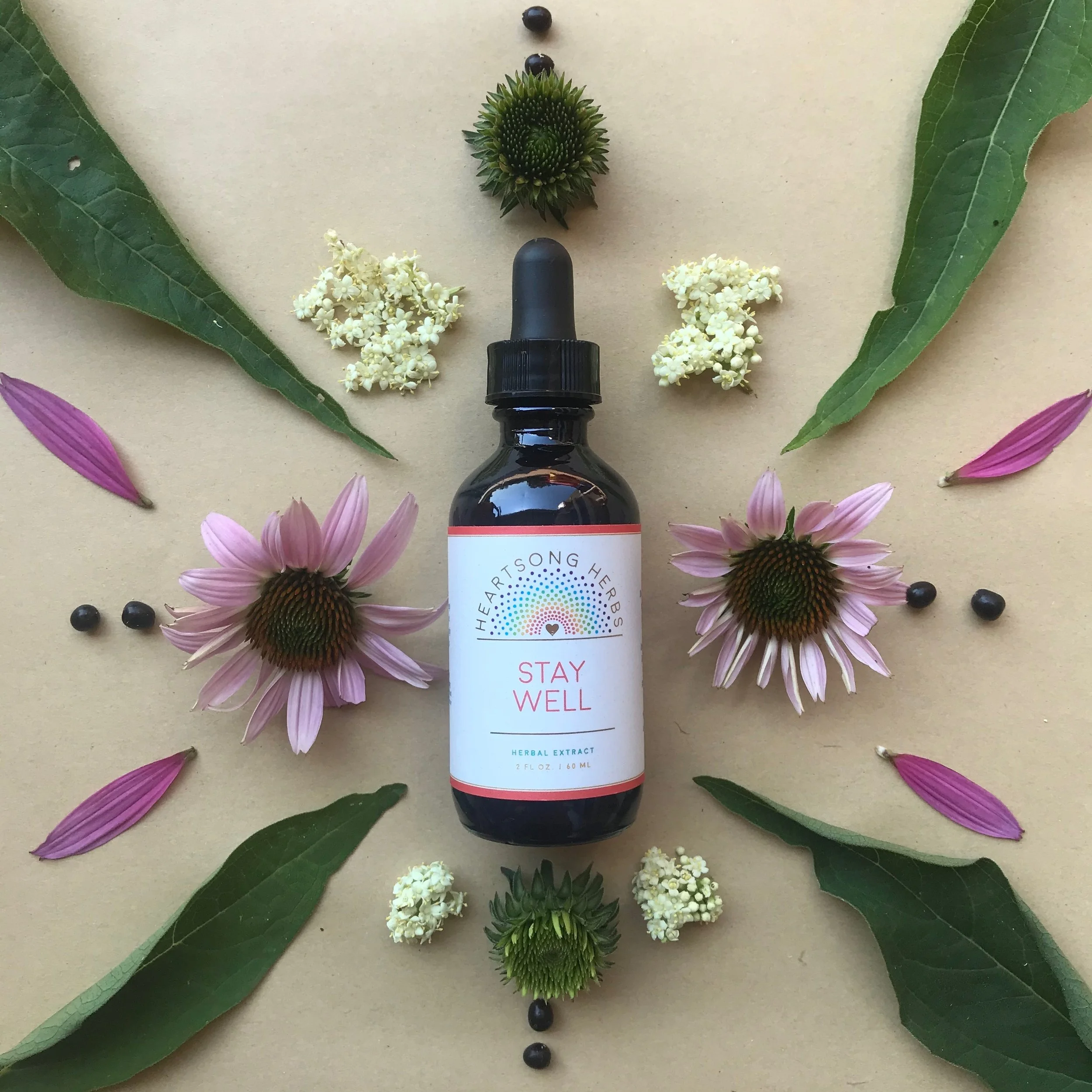
What is the best way to take these plant medicines? Sometimes syrups and teas are called for ~ warmth in the hands, moisture for dry tissues, and a moment of care in the midst of feeling unwell. Tinctures offer a concentrated and efficient option, delivering the virtues of the plant in a form the body can quickly receive. Our tinctures are crafted to offer steady support through many of these incredible allies. From our Stay Well blend, combining echinacea, ginger, and elderberry, to our single-plant extracts like Echinacea and Reishi, they offer a simple and potent way to invite plant medicine in when you need it most.
Beyond herbs, tending to illness asks us to shift our pace, and notice what might be compromising our vitality. Perhaps you’re working too much, grieving, living with undue stress, eating in ways that don’t support your body, or ignoring something in your life that is detrimental to your wellbeing. Extra sleep, warm nourishing foods, and time away from daily demands allow the nervous system to soften, the immune system to do its work, for us to offer ourselves kindness and care and take stock of our daily wellbeing. Illness, inconvenient as it may be, can also be an invitation to pause and care for ourselves and our lives more deeply.
Ultimately, these plants do not heal us on their own. They work in relationship with our bodies, supporting our innate capacity to recover and return to balance. When we reach for them, we are not just treating symptoms. We are remembering that healing has always been a collaboration between ourselves and the living world around us.