Beyond Organic
You’ll often hear us say that we’re beyond organic. What does that mean? And why does it matter?
For us, it means our farming and medicine-making practices go beyond simply avoiding a list of chemicals approved or prohibited by the USDA organic label. We practice a deeply intentional way of farming that gives back to the land both physically and spiritually. It’s a way of tending the earth that restores the soil and honors the living web that grows our medicine.
Regenerative agriculture isn’t a new idea. It’s an ancient one that has simply been given a modern name. Indigenous peoples across this land and around the world practiced (and in many places still practice) regenerative agriculture because it was simply the way of life: a reciprocal relationship with the land, where what you received and what you offered were inseparable ~ interdependent, interwoven, part of the same living exchange.
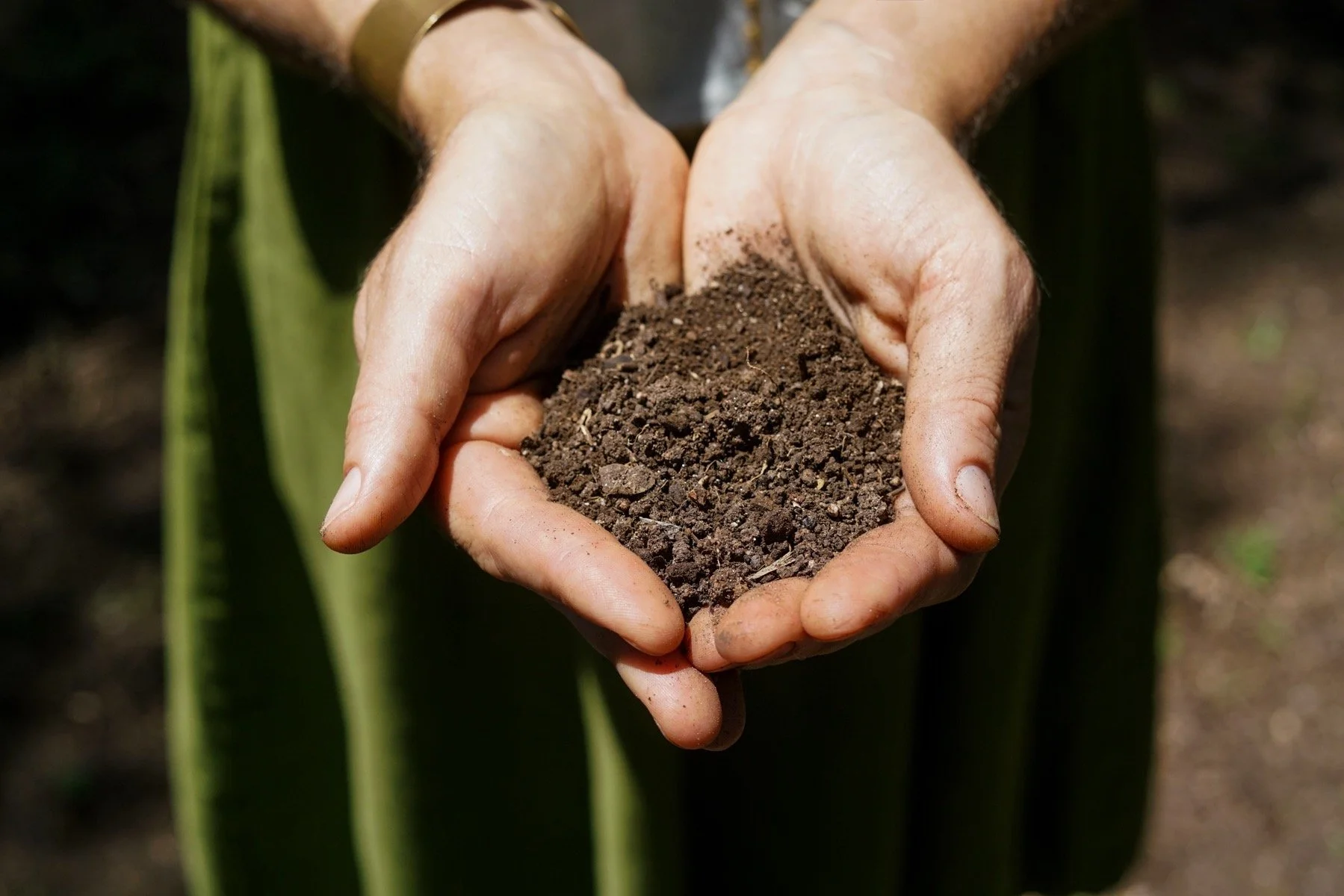
In this way of tending the earth, the land is not something to take from, but something to be in relationship with. A relationship built on care, balance, and reciprocity. At its heart, regenerative farming is a loving relationship with the soil. Instead of treating it as an inert growing medium, regenerative agriculture recognizes soil as a vibrant living community filled with microorganisms, fungi, organic matter, and energy, the health of which extends to all the plants, bugs, animals, critters, and beings near and far. When this hidden ecosystem is healthy and thriving, plants grow stronger, ecosystems become more resilient, and the land is able to sustain life for generations to come. In essence, regenerative farming is about leaving the land richer than we found it.
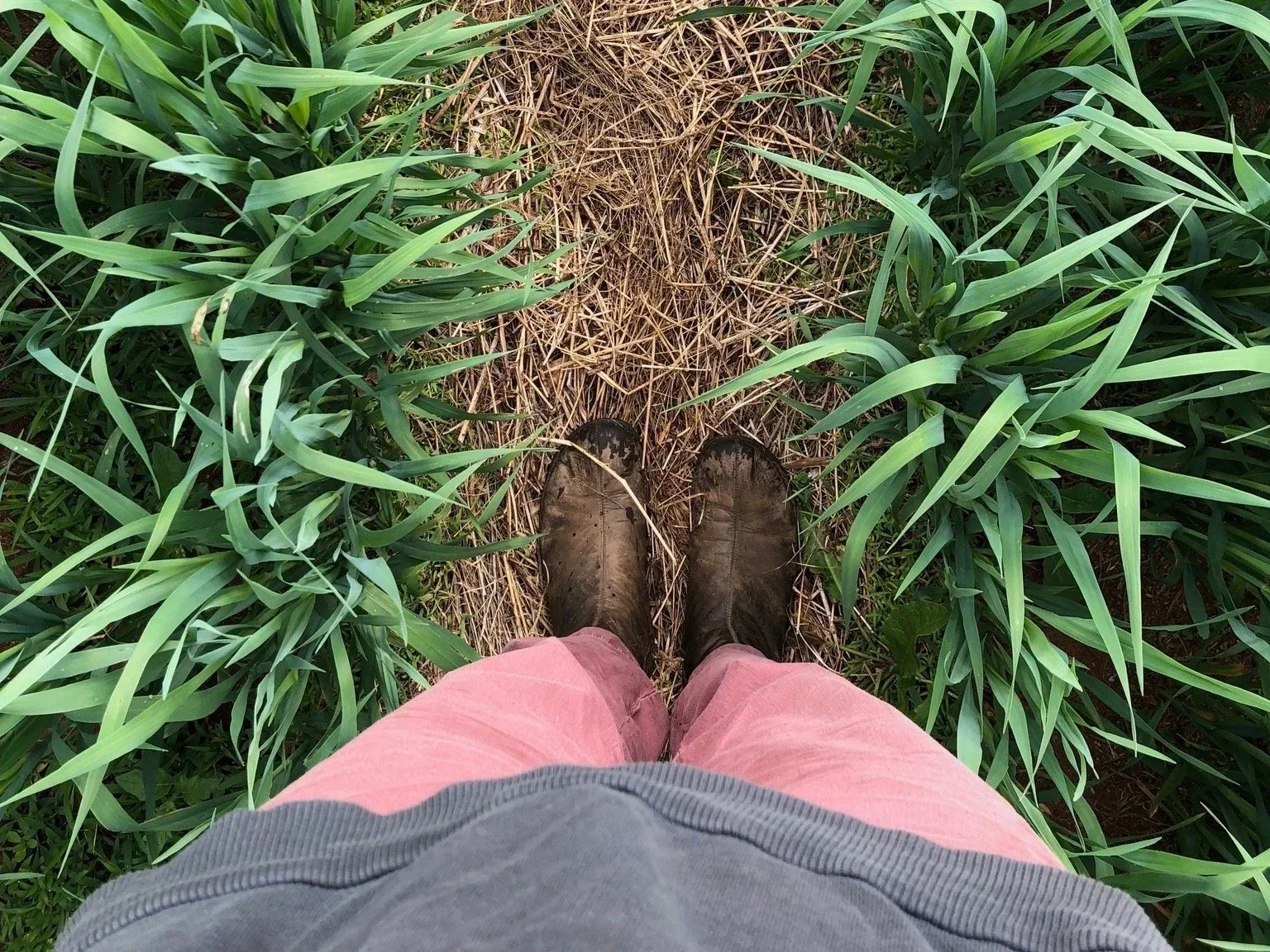
Regenerative agriculture supports this living system through practices like cover cropping, composting, crop rotation, and minimizing soil disturbance. Over time, these methods rebuild organic matter and create soil that is rich, alive, and capable of growing vibrant plants for today’s humans and future generations.
For medicinal herbs, soil health directly influences the potency of the medicine. Plants pull minerals and nutrients from the soil to build the compounds that give them their medicinal qualities. When herbs are grown in living, nutrient-dense soil, they develop deeper, more robust root systems and produce a fuller spectrum of phytochemicals, the compounds responsible for their healing effects.
Healthy soil leads to healthy plants, and healthy plants create stronger medicine. For instance, herbs like milky oats and skullcap develop their calming, nourishing properties most fully when they are grown in rich, fertile, biologically active soil. But regenerative agriculture is not just a set of techniques used to get what we want, it’s also a way of relating to the land. Rather than a transaction or extraction, regenerative farming is a dynamic and loving relationship rooted in care and reciprocity. It recognizes that the earth sustains us and cares for us, and that we have a sacred calling to do the same. By answering that call, we cultivate healing not only for the soil, but also for our relationship with the earth itself. From soil to plants to people, and all the way back again, our wellbeing is one and the same. In a world that has drifted so very far from the original plot, regenerative farming is a remembering of a simple truth: We are children of the earth.
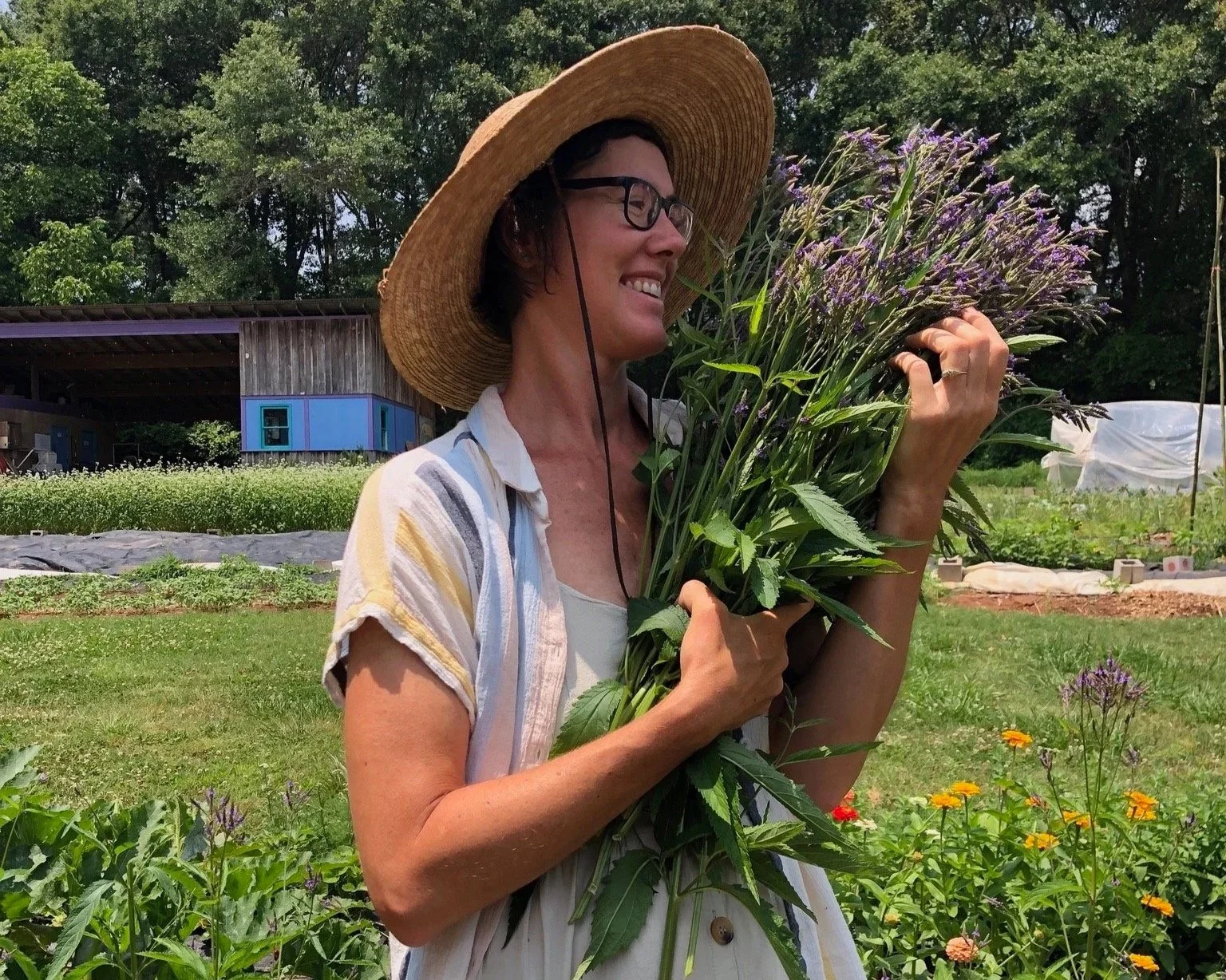
If you’d like to experience herbs grown in living soil, explore our fresh-from-the-field tinctures, including Milky Oats for nervous system nourishment and Skullcap for gentle calm.